How Assistant Directors Keep a Film Set Moving
Clear communication and careful timing allow every department to work safely while protecting the director’s creative priorities.
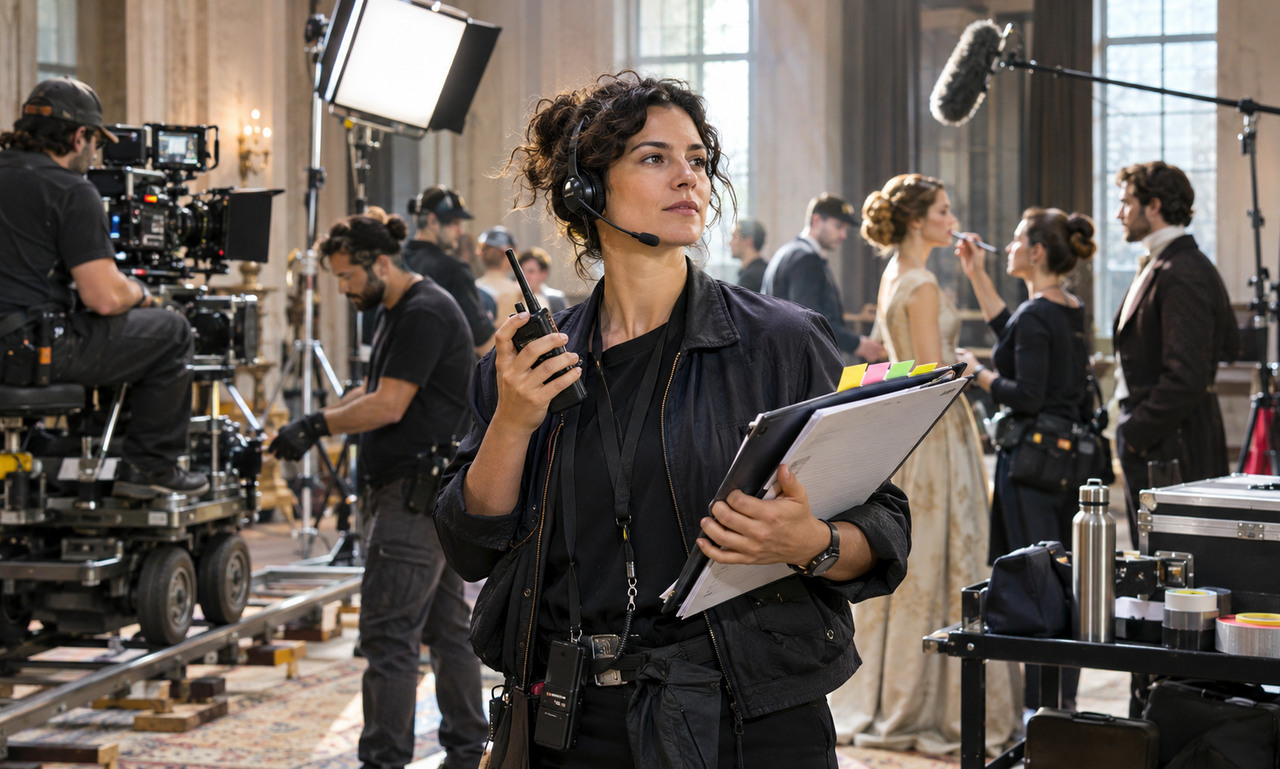
A film set brings together departments with different tasks, equipment and preparation needs. The assistant director creates the shared rhythm that lets those parts move safely toward the same shot.
The work is logistical, but its purpose is creative. Time saved through clear organization gives the director and performers more space to concentrate on the moments that carry the story.
The day begins with a realistic plan
Scenes are scheduled around cast availability, location limits, lighting and the time required by each department. The assistant directing team turns those variables into a call sheet and a sequence the crew can execute.
A good plan includes room for complexity. Stunts, children, crowds, difficult moves and emotional scenes need different kinds of preparation, and treating every setup alike creates pressure rather than efficiency.
Communication keeps departments aligned
Assistant directors announce what is happening now and what comes next. Camera, lighting, sound, costume, makeup and art teams can then prepare without crowding the immediate work.
They also control the set during takes, confirming readiness, quiet and safe positions. Clear commands reduce confusion while allowing each department to raise a concern before the camera rolls.
Momentum should protect performance
Moving quickly is not the same as rushing. An experienced assistant director recognizes when a technical reset can be shortened and when an actor or director needs a few uninterrupted minutes to solve the scene.
The best-managed set feels purposeful rather than tense. Everyone understands the plan, changes are communicated and the production keeps moving without losing sight of why the shot matters.


