How Cinematographers Use Color to Guide Emotion
Color can quietly reveal distance, danger, intimacy and change before a character says a word.
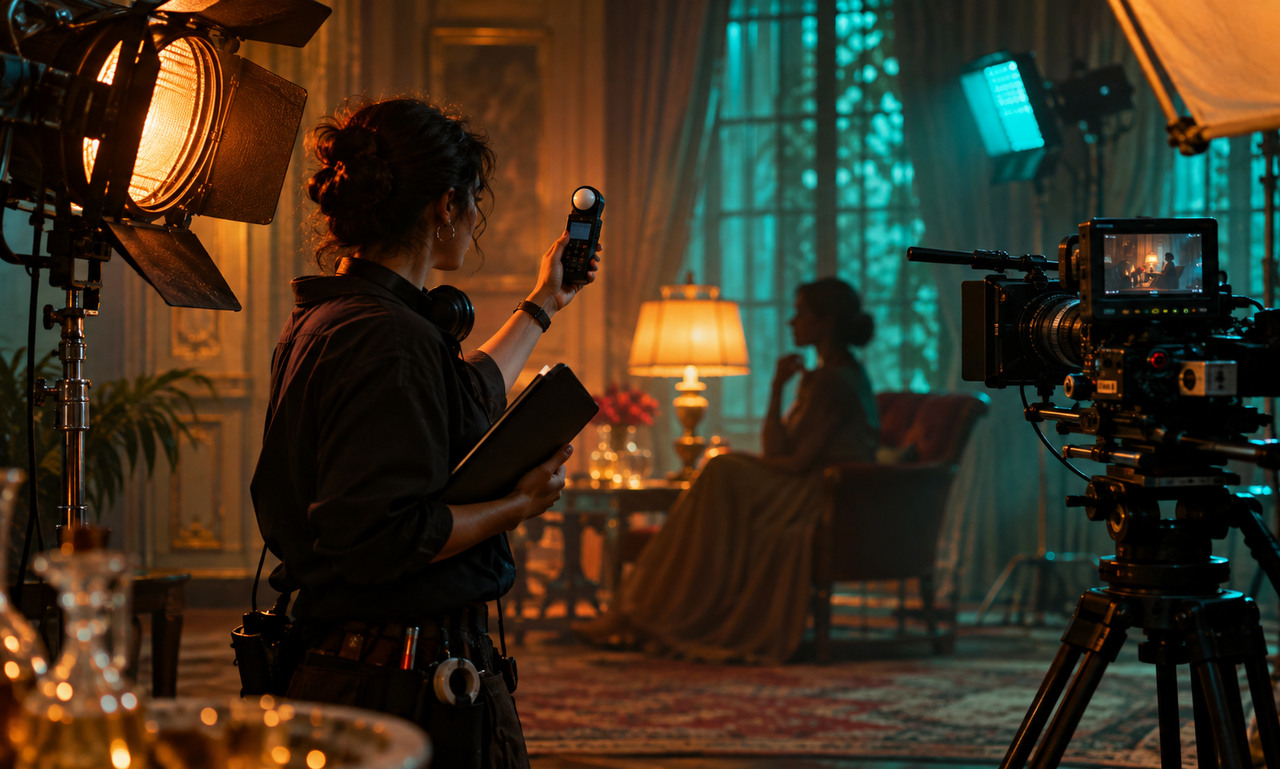
Color is one of cinema’s quietest storytellers. Viewers may not name the exact shade in a scene, but they feel its effect. Warm light can suggest safety or nostalgia. A cold palette can create distance. A sudden break in the established colors can warn that the story has changed.
Cinematographers build this language with directors, production designers and costume teams. The frame works best when every department is moving toward the same emotional idea.
A palette begins with the story
Color choices are not universal rules. Red can signal danger in one film and romance in another. Blue can feel lonely, peaceful or artificial depending on the setting and the way faces are lit. Meaning comes from context and repetition.
Many productions establish a limited palette for each location, relationship or period in a character’s life. As the story develops, those colors can mix, fade or disappear. The audience follows the shift even when it happens below the surface.
Light changes the same color
A costume or wall does not have one fixed appearance on camera. Its color changes under daylight, tungsten lamps, neon signs and reflected light. Exposure and camera settings also affect its depth. Cinematographers test these elements together so that the final image preserves the intended mood.
Contrast matters as much as hue. A warm face against a cool background can draw attention to a character. A nearly monochrome frame can make one small accent feel important. Restraint often gives color more power.
Change becomes part of the performance
Color can reflect a character’s inner life without reducing emotion to a simple code. A bright world may slowly lose saturation as confidence breaks down. A guarded character may begin in hard, divided light and later appear in softer tones.
The strongest cinematography does not ask viewers to stop and decode every choice. It guides attention and feeling while the story continues. Color becomes part of the atmosphere, shaping what the audience senses before it knows why.


