How Concert Lighting Designers Turn a Set List Into Emotion
Concert lighting gives a set its visual rhythm, guiding attention and changing the emotional scale of every song.
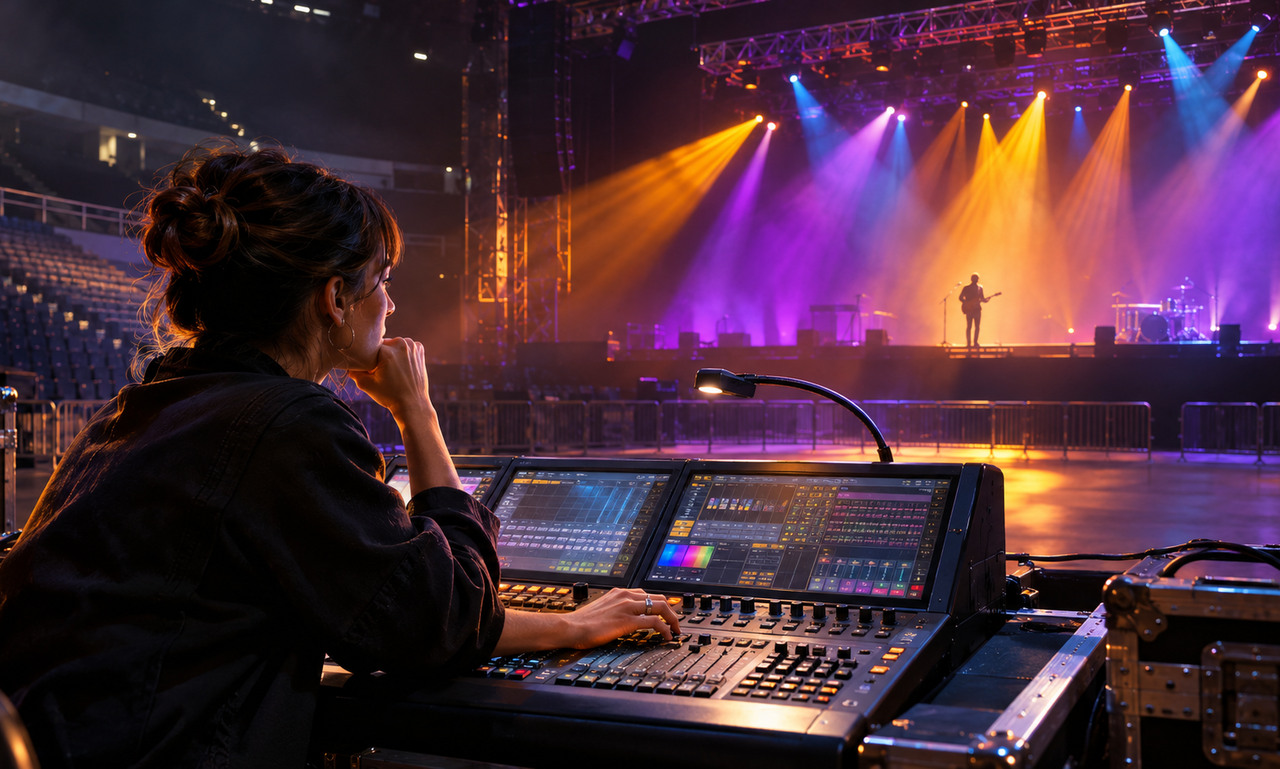
Before an arena fills, a lighting designer is already listening for the emotional architecture of the show. The first entrance, the sudden silence before a chorus and the last note of an encore all need a visual response that feels connected to the music.
The work starts with the set list and the artist’s larger creative direction. Designers study arrangements, stage movement and production elements, then decide when light should command attention and when it should leave room for the performance.
Color creates an emotional vocabulary
A limited palette can give an era a recognizable identity. Warm amber may make an acoustic passage feel close, while a field of cool blue can expand the same stage into something distant and reflective.
Contrast matters more than constant intensity. A restrained verse makes the chorus feel larger, and a brief blackout can create more anticipation than another bank of moving beams.
Cues must move with the arrangement
Designers build cues around musical landmarks: a drum fill, a key change, a vocal entrance or a pause. Time-coded sequences can deliver precision, but operators still need to understand the rhythm well enough to respond when a performance stretches or changes.
Rehearsal reveals how the plan works around bodies. Light must flatter the artist, preserve visibility for dancers and musicians, and avoid turning a dramatic effect into a distraction for the audience.
The room becomes part of the image
Lighting does not stop at the stage. Audience washes, balcony accents and beams through haze can connect the performer to the full venue, while tighter pools of light can make a large room briefly feel intimate.
When the design is successful, viewers may not remember every cue. They remember how the show changed shape around the songs and how the light made each emotional turn feel inevitable.


