How Costume Buyers Turn a Design Into a Working Wardrobe
Costume buyers turn visual ideas into garments that fit the character, the performer, the schedule and the demands of filming.
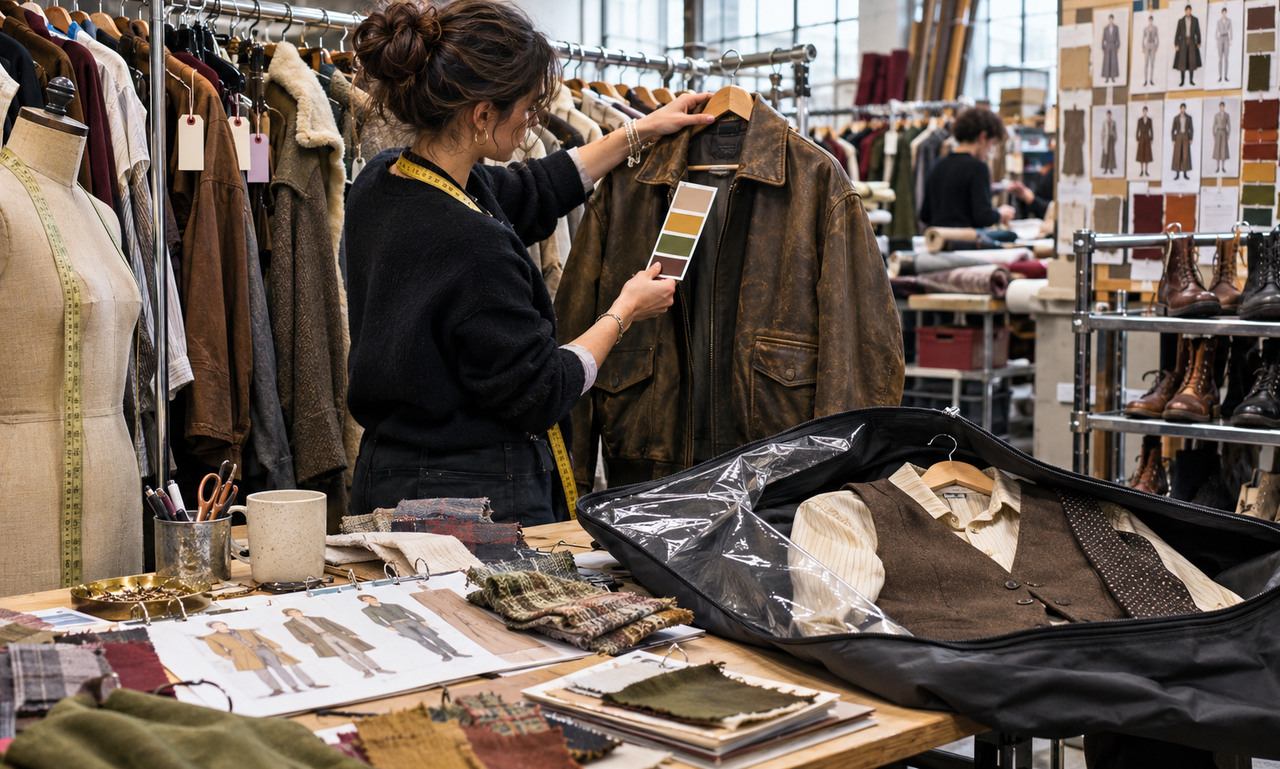
A costume sketch establishes intention, but a working screen wardrobe has to survive fittings, movement, continuity and long production days. Costume buyers are the people who translate the design into real garments and make sure every choice can perform under pressure.
They search retailers, rental houses, vintage dealers, makers and private collections with a precise brief. Period, character, color and silhouette matter, but so do availability, sizing, alteration potential and the possibility of finding duplicates.
The search begins with character
A buyer needs to understand why a garment belongs to the person wearing it. The right coat may suggest years of use, a particular income or a habit of choosing practicality over display. A close substitute can look correct on a rail and still feel wrong in the scene.
Texture and color are judged in relation to the whole production. Fabrics respond differently to lighting, and patterns that seem subtle in person may become distracting on camera.
Continuity changes the shopping list
Action, weather effects and repeated takes can require several identical versions of one item. Buyers track quantities early so the costume team can age, damage or alter garments without risking the only usable piece.
Fittings create another round of decisions. A garment may need a different size, a stronger closure or hidden ease for movement. Buyers react quickly while preserving the designer’s original line.
Budget is a creative material
Not every costume needs the same investment. A hero garment seen throughout the story may justify custom work, while background wardrobes often depend on careful rental packages and smart combinations of familiar pieces.
The result is most convincing when the sourcing disappears into the character. What began as a plan becomes clothing that looks chosen, worn and lived in rather than assembled for the camera.


