How Dance Captains Keep a Live Performance Consistent
Dance captains preserve choreography across rehearsals and tour dates while helping performers adjust to the realities of each stage.
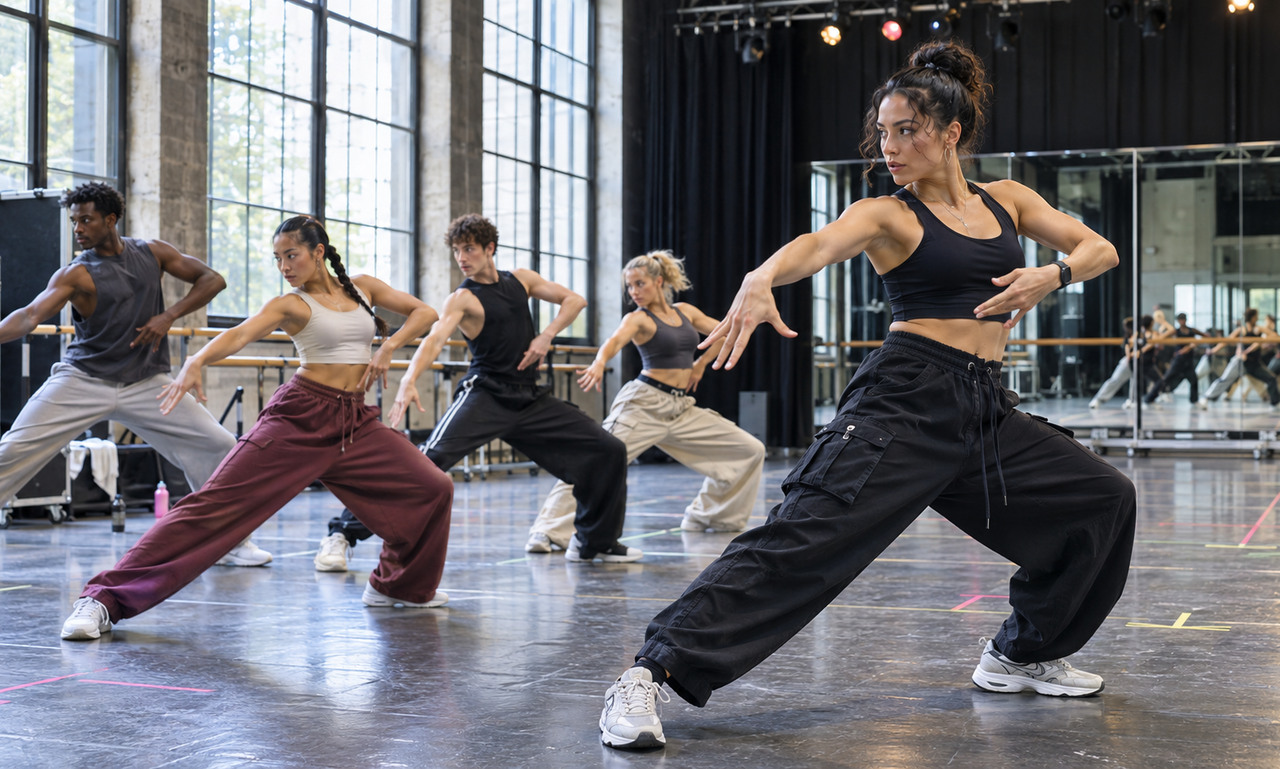
Once choreography is created, it has to live through rehearsals, travel, changing stages and the physical demands of repeated performance. A dance captain becomes the keeper of that movement, preserving its detail while helping the ensemble adapt.
The role sits between performer and rehearsal leader. Captains know every formation, transition and count, but they also understand why each choice exists and how it supports the music, camera or stage picture.
Precision begins with shared language
Captains break complex passages into clear information: timing, direction, focus and spacing. Consistent terms make corrections faster and help swings or replacement performers enter the production without guessing at intention.
They watch the group rather than only the strongest individual. A step can be technically correct and still weaken the picture if levels, angles or energy do not align across the ensemble.
Every venue requires adjustment
Tour stages vary in width, depth, entrances and surface. The captain helps re-space formations so they keep their visual impact while leaving safe paths around musicians, lifts, cables and moving scenery.
Camera blocking adds another layer for televised performances. Movement may need to read from several lenses, and a transition that works for the front row may require refinement for a close shot.
Consistency includes care
Repeated shows place real strain on bodies, so captains pay attention to fatigue as well as form. They communicate with choreographers, performers and production staff when a change can protect the company without weakening the work.
The best maintenance never makes choreography feel mechanical. By protecting its structure and purpose, the dance captain gives performers the confidence to bring fresh energy to the same movement every night.


