How Editors Build Performances from Many Takes
The final screen performance may combine the strongest timing, movement and emotion from several recordings.
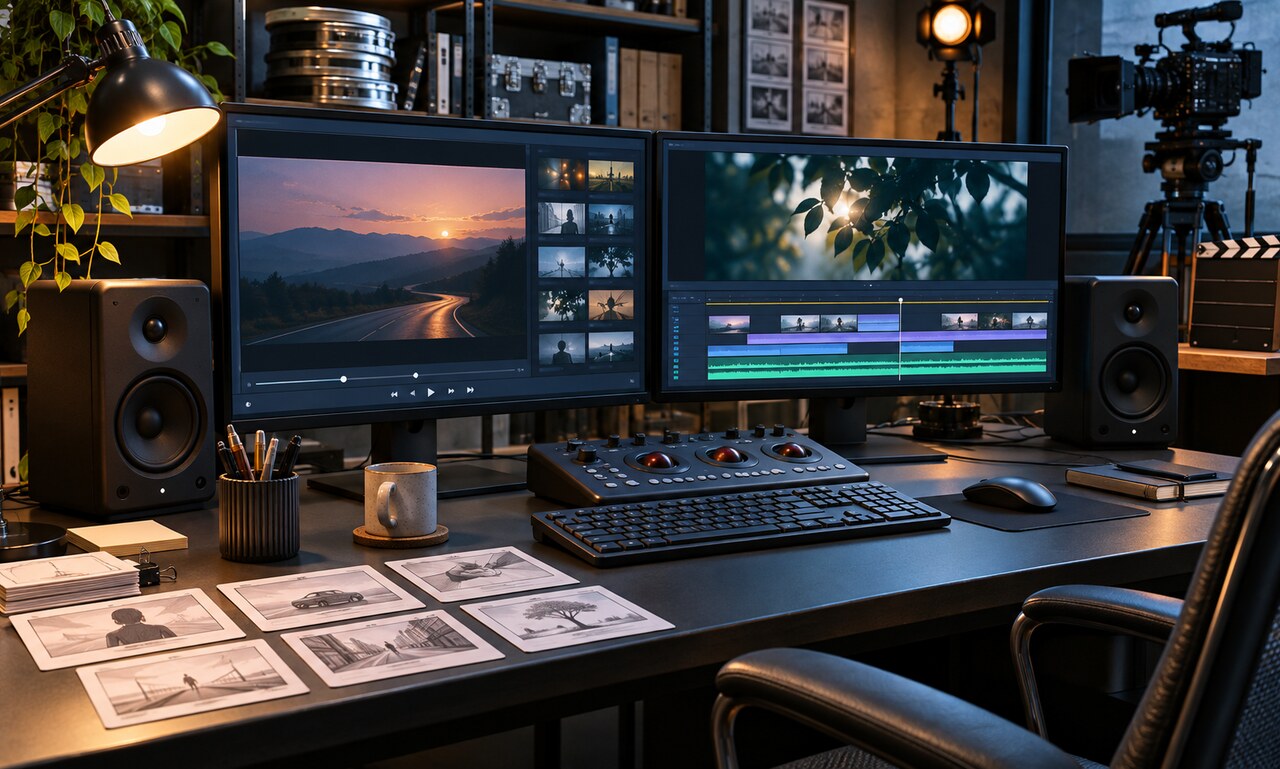
An actor may perform the same scene several times, changing pace, gesture and emotional intensity with each take. The editor studies those variations and builds a final sequence that feels continuous even when it draws from different moments.
The goal is not always to choose the most dramatic take. It is to select the performance that best serves the scene, the surrounding story and the person listening on screen.
Timing changes meaning
A pause can suggest hesitation, grief or calculation. Cutting away too early may remove that meaning, while staying too long can make the moment feel overstated. Editors shape performance by deciding where each reaction begins and ends.
The rhythm between speakers matters as much as the individual lines. Fast exchanges create pressure. Longer gaps can reveal distance or uncertainty.
Reaction shots complete the scene
A listener’s face can change how the audience understands the speaker. The editor may remain on a reaction while dialogue continues, allowing the scene to show two emotional experiences at once.
These choices also guide attention. A small glance can become important when the cut gives viewers time to notice it.
Continuity protects the illusion
Combining takes requires care. Body position, eye line and movement must connect well enough that the audience remains focused on emotion rather than the edit.
The final performance belongs to the actor, director and editor together. What viewers experience as one uninterrupted moment may be a precise construction made from many honest pieces.


