How Film Composers Build Themes That Change With a Character
A memorable screen theme is not simply repeated. It grows, fractures and returns in forms that follow a character’s inner life.
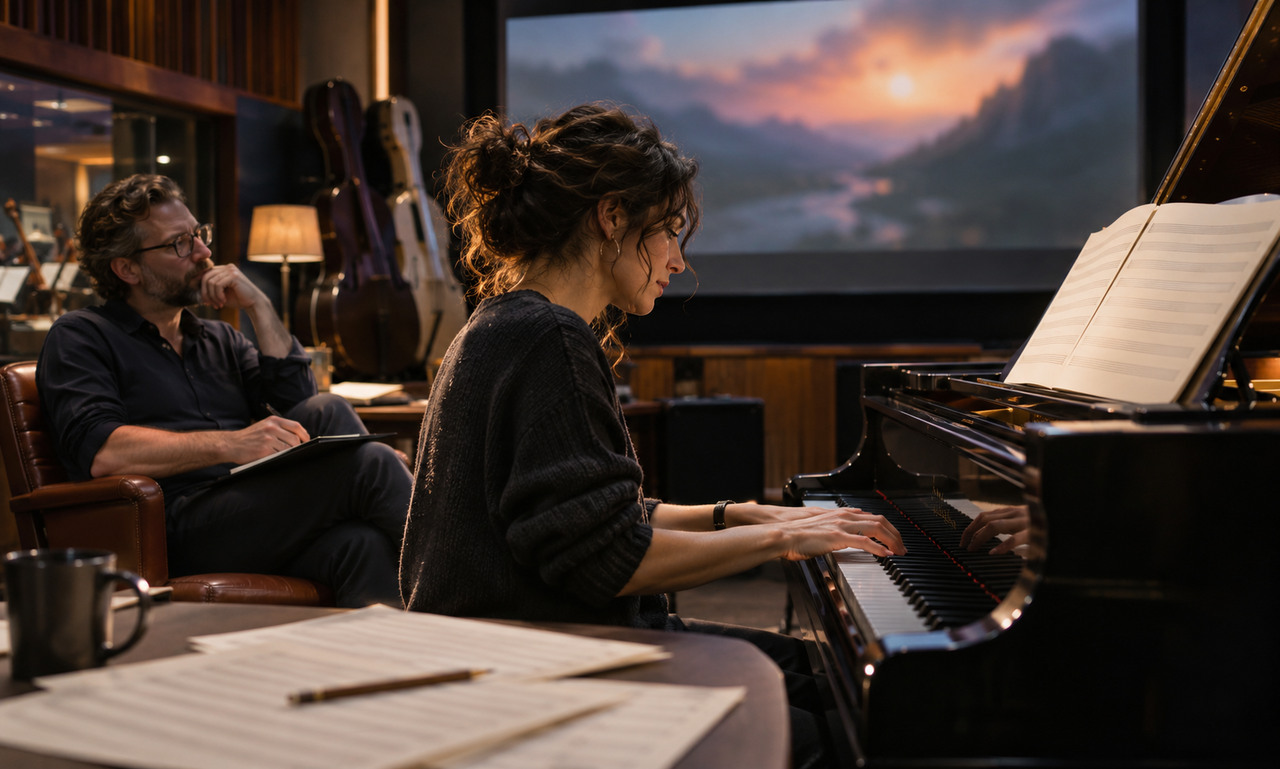
A strong character theme works like a point of view. It can tell the audience who someone believes they are, hint at what they fear or reveal an emotion the performance keeps hidden. Its power comes less from repetition than from recognition.
Composers often begin with a small musical idea: a handful of notes, a rhythmic shape or a distinctive interval. That core has to be clear enough to survive change, because a story rarely leaves its characters where it found them.
The first appearance sets a promise
An early statement of a theme establishes its emotional starting point. A sparse piano line may suggest privacy, while the same melody on brass could imply confidence or destiny. Instrumentation frames how the audience first understands the character.
Placement matters just as much. A theme introduced before a major choice can become attached to possibility. Heard after a loss, it may carry memory. The score builds meaning through the relationship between music and dramatic context.
Variation follows transformation
As the character changes, the composer can alter tempo, harmony, register and orchestration without losing the theme’s outline. A melody once played in full may later appear as fragments, suggesting an identity under pressure.
Growth does not always mean making the music larger. A triumphant theme can become more moving when reduced to one vulnerable instrument. The most effective variation reflects the specific direction of the story rather than treating every turning point as a cue for volume.
The return creates recognition
Near the end of a film, a familiar theme can gather every earlier version into one moment. The audience may not consciously catalogue those changes, but it feels the distance travelled between the first statement and the last.
That is why an enduring theme feels inseparable from character. It is not a label placed over a scene. It is a musical performance that develops alongside the person on screen, carrying their contradictions all the way to the final frame.


