How Movement Coaches Help Actors Build Physical Character
Movement coaches help performers turn posture, rhythm and physical habit into a character that remains consistent under the pressure of filming.
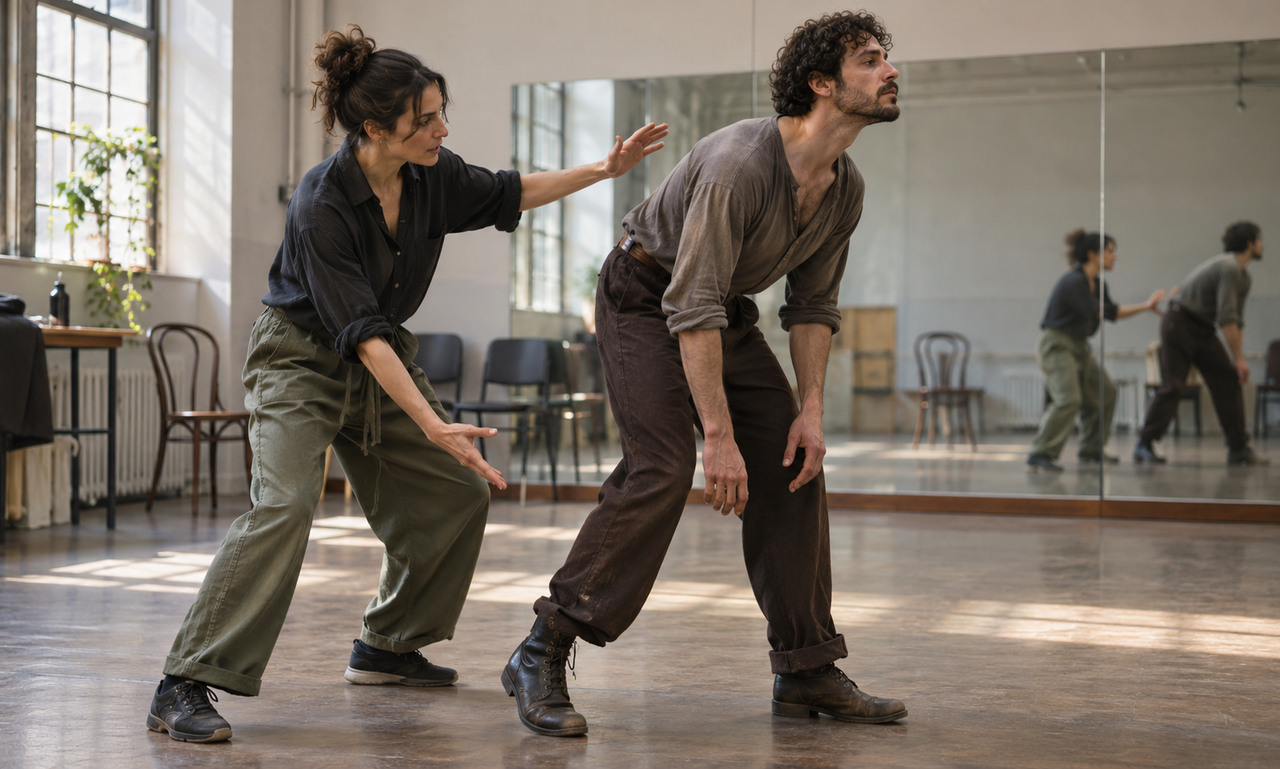
A character’s physical life often reaches the audience before the dialogue does. The way someone enters a room, carries tension or rests in silence can suggest age, confidence, work and emotional history. Movement coaches help actors make those signals precise.
The process begins with observation rather than imitation. Coach and performer explore how weight is distributed, which parts of the body initiate movement and what habits emerge when the character feels safe or threatened.
Posture is only the starting point
A fixed pose cannot sustain a performance. The actor needs to understand how the character sits, turns, reaches and changes speed so the physical idea remains alive through many different scenes.
Breath can connect those choices. A restricted pattern may create guarded movement, while fuller breathing can open the chest and change the character’s relationship to other people in the frame.
Research becomes usable behavior
Period, profession and health may influence the work. A coach can introduce relevant physical tasks and movement references, then help the actor absorb them without presenting the character as a demonstration.
Specificity matters most when it becomes unconscious. Rehearsal turns a deliberate choice into a reliable habit that the actor can carry while focusing on listening and emotion.
Continuity protects the physical arc
Films are shot out of sequence, so performers must reproduce movement from different points in the story. Notes and rehearsal language help track how fatigue, injury, status or confidence changes over time.
The result should feel personal rather than imposed. A movement coach offers structure, but the actor gives it instinct, creating a body that appears to belong to the character even when nothing is being said.


