How Script Supervisors Protect a Film’s Continuity
Detailed observation connects performances, props, timing and camera coverage across scenes filmed days or months apart.
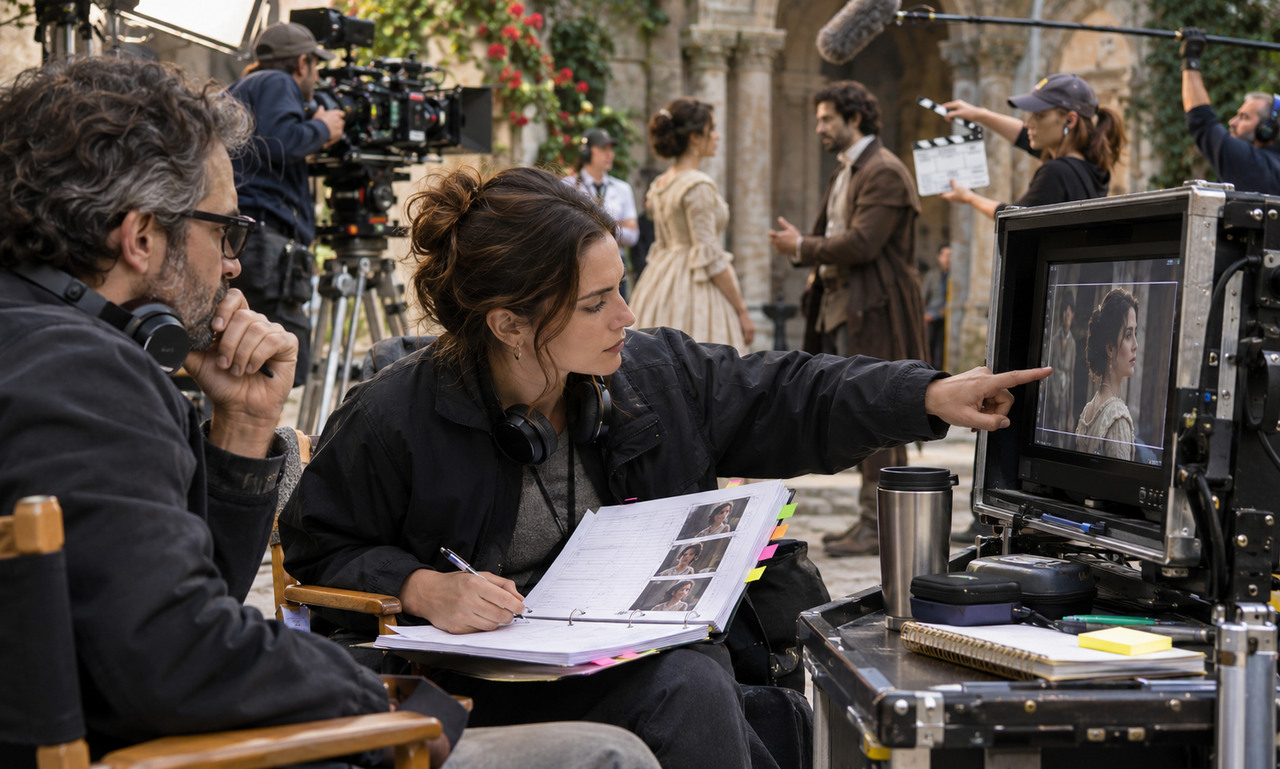
Films are rarely shot in story order. One side of a conversation may be recorded hours after the other, and consecutive scenes can be separated by weeks. The script supervisor holds the details that allow those fragments to become one continuous experience.
The work reaches far beyond noticing whether a glass is full. It connects performance, dialogue, screen direction, camera coverage and timing while maintaining a precise record for the production and editorial teams.
Every take creates information
The supervisor tracks changes in words, gestures and movement. If an actor reaches for a prop on a particular line, that choice matters when the reverse angle is filmed. Notes and reference images make the action repeatable.
Timing is recorded as well. The length of a scene affects the overall running time, while the pace of individual takes can change how coverage fits together. Accurate reports help the director understand what has been captured.
Continuity includes emotional logic
A performance must connect across the cut, not simply match physically. The supervisor watches levels of intensity, pauses and discoveries so an actor’s emotional journey remains coherent when the scene is assembled.
This observation is collaborative rather than corrective. A deliberate change can be valuable; the important thing is that the director and editor know it happened and have the coverage needed to support it.
The edit begins on set
By tracking lenses, camera positions and completed setups, the supervisor can identify missing angles before a location is wrapped. Their notes become a map for editors who were not present when the material was filmed.
The finished film hides this structure. When continuity succeeds, audiences follow character and story without noticing the months, locations and dozens of decisions separating one shot from the next.


