How Tour Managers Keep a Live Show Moving Across Cities
Behind every consistent concert is a moving network of people, equipment and decisions coordinated long before the house lights go down.
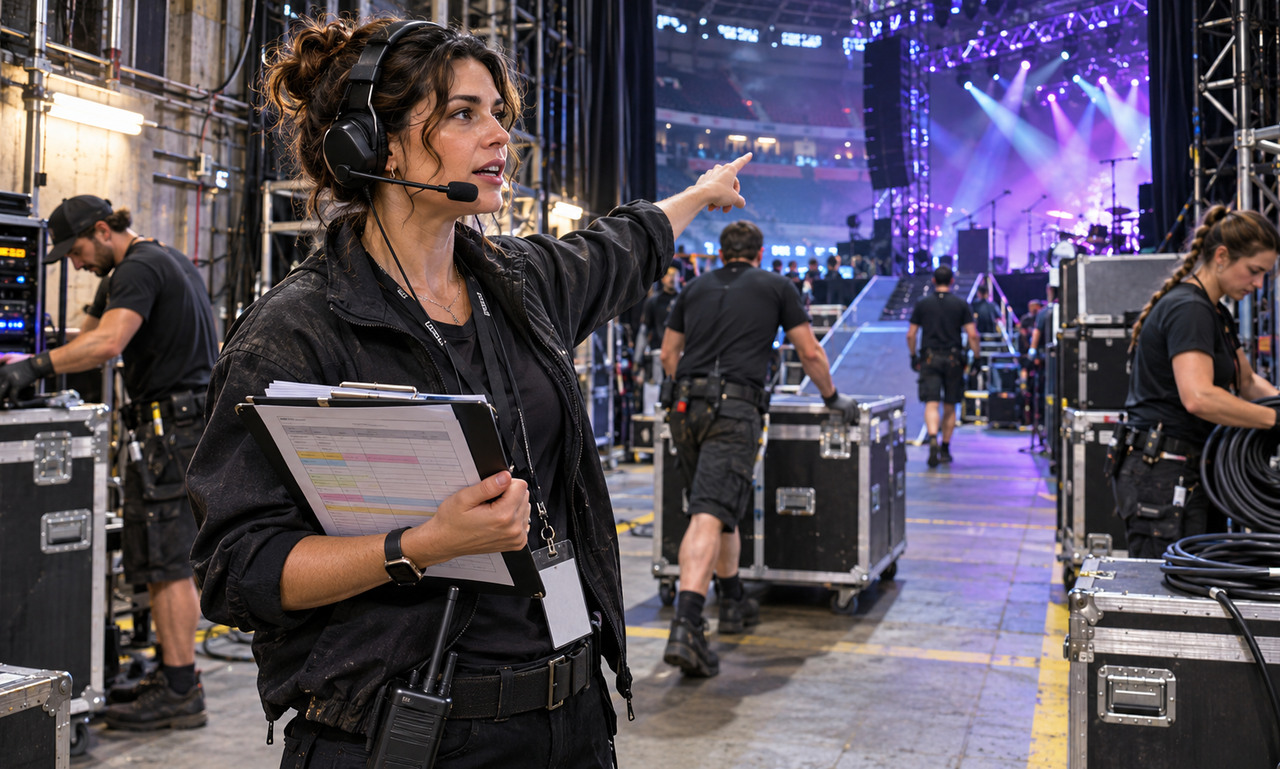
A touring show appears in a new city for only a few hours, but the operation behind it is continuous. While one audience is leaving, people and equipment may already be moving toward the next venue. The tour manager keeps that motion connected.
The role sits between artist needs, production demands, travel and local operations. Success means solving hundreds of practical details without allowing them to drain energy from the performance.
The day begins before the venue
Schedules coordinate buses, flights, hotel departures and crew calls. The tour manager checks changes in weather, traffic and local rules, knowing that a small delay can affect load-in, soundcheck and doors.
Information has to reach the right people at the right time. Clear daily notes give departments a common plan, while direct communication handles the exceptions that no template can predict.
Every venue requires translation
The touring production carries its own technical design, but each building has different dimensions, access routes and local teams. Managers connect venue staff with production heads so the show can be adapted without losing its essential standard.
They also protect the human rhythm of the day. Meals, rest, guest requests and private time are scheduled around rehearsals and media obligations. A tour lasts only if the people inside it can sustain the pace.
Calm becomes a production tool
Problems are inevitable: delayed gear, illness, weather or a missed connection. The manager assesses what affects safety, what threatens show quality and what can be solved quietly in the background.
When the artist walks onstage, the complexity should disappear. The audience experiences one night in one city. Tour management makes that singular moment possible again and again.


