Why a Festival Premiere Can Change a Film’s Story
The first public screening can transform a private creative process into a conversation shaped by audiences, critics and unexpected momentum.
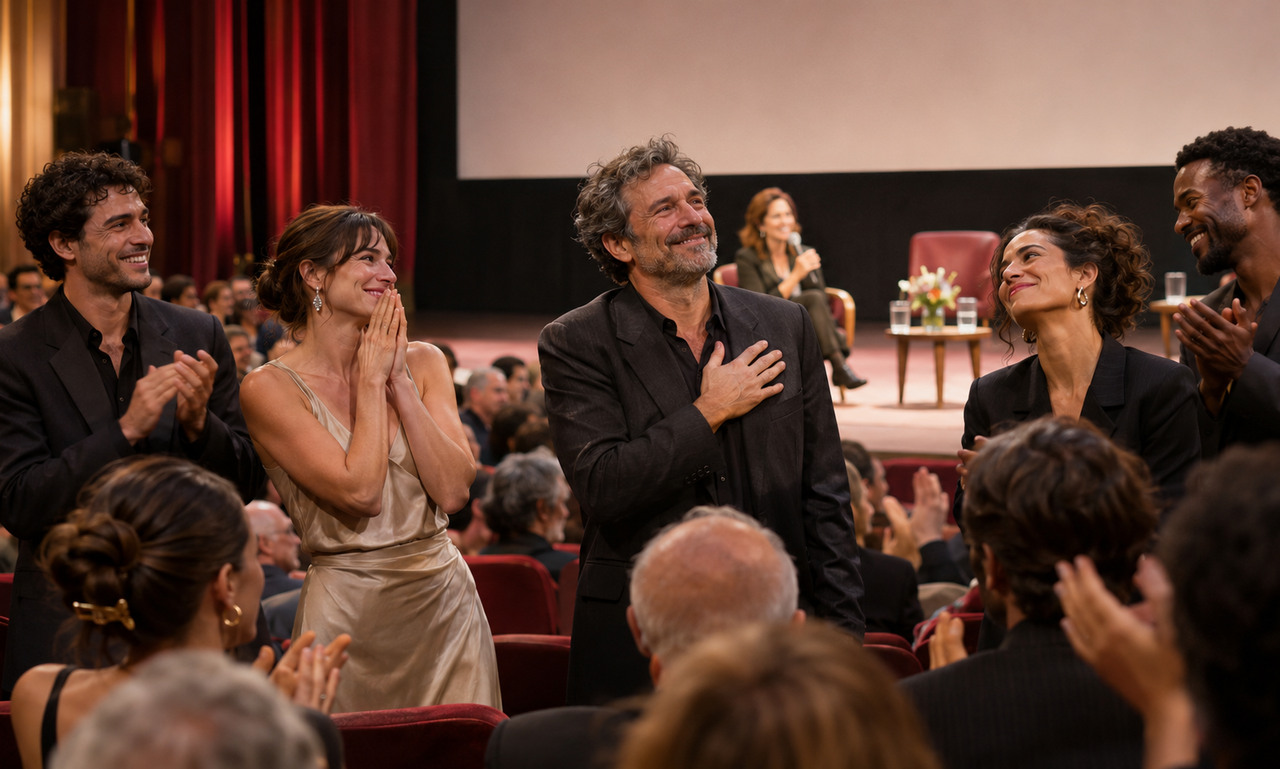
A film festival premiere is more than an early screening. For the filmmakers, it is often the first time years of private work meet a room full of strangers. For the public, it can be the moment a project gains an identity beyond its synopsis and cast list.
The reaction is immediate but not simple. Laughter, silence and applause reveal how the film plays collectively, while conversations afterward begin shaping the language through which it will be discussed.
The room creates a new version of the film
Cinema is experienced differently with a concentrated audience. A quiet beat may gain tension, a joke can build through shared laughter and an ending may hold the room longer than anyone expected. Filmmakers discover rhythms no private screening could reproduce.
That response can be emotional for a cast and crew who have lived with uncertainty. It also provides practical information. Distributors, programmers and journalists watch not only the film, but the connection forming around it.
Conversation builds momentum
Reviews and audience recommendations can quickly reposition a title. A small film may emerge as a discovery, while an anticipated production can reveal unexpected qualities that change how it is marketed.
Interviews and question sessions add context. The story of how the film was made, the relationships behind it and the ideas audiences bring forward become part of its public life.
The premiere is a beginning, not a verdict
Festival response can open doors, but one room does not determine a film’s lasting value. Different audiences may see the work through new cultural, historical or personal frames as it travels.
What changes at the premiere is the film’s ownership. It no longer belongs only to the people who made it. The audience begins carrying it forward, and the story around the work starts to grow.


