Why Casting a Biopic Requires More Than Physical Resemblance
A persuasive screen portrait depends on rhythm, point of view and emotional truth—not simply matching a famous face.
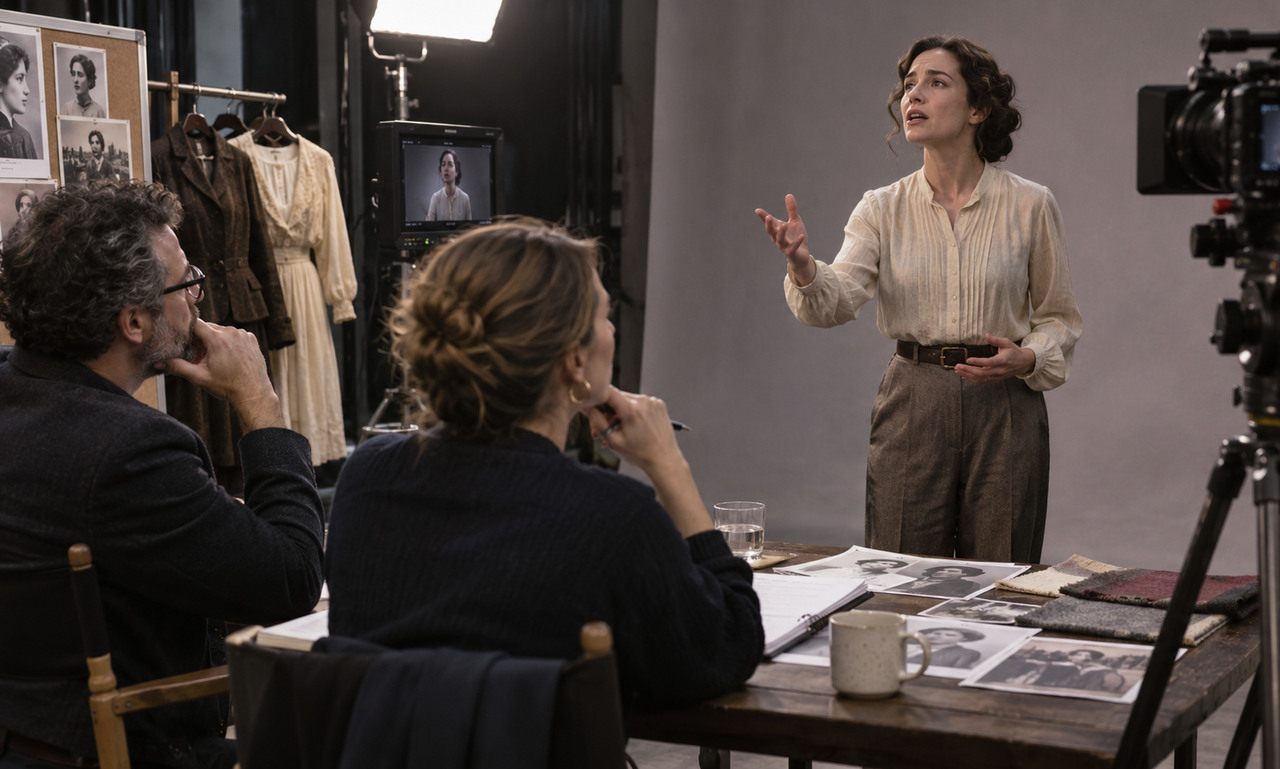
Physical resemblance can create an immediate connection in a biographical film, but it cannot sustain a performance. The actor must suggest how a real person thought, listened and changed when the public image was not enough.
Casting teams therefore look beyond a still photograph. They consider vocal rhythm, physical energy and the performer’s ability to hold contradictions without reducing the subject to imitation.
The film chooses a point of view
No biopic can contain an entire life. The script may focus on a creative breakthrough, a private conflict or a particular relationship. Casting follows that emphasis, seeking the qualities most important to the story being told.
An actor does not need to reproduce every documented mannerism. A few precise behaviours can be more convincing than constant mimicry, especially when they emerge from an understanding of motive and circumstance.
Research becomes transformation
Auditions may explore interviews, performances and private scenes to test range. The team watches how the actor uses available material and whether they can move beyond familiar public gestures.
Voice, movement and appearance departments can develop external details later. Casting must first find a performer with the imaginative freedom to inhabit the role rather than simply display the preparation.
Recognition comes from emotional truth
Audiences often know the ending before the film begins, which places more weight on the journey. The performance has to make choices feel uncertain and relationships feel present, not like illustrations of a known history.
The strongest biopic casting creates a productive double vision. Viewers recognize the real figure, yet they also believe in the living character standing inside the scene.


