Why Celebrity Documentaries Need Distance as Well as Access
Private footage can bring viewers close to a public figure, but a lasting portrait also needs context, editorial independence and room for contradiction.
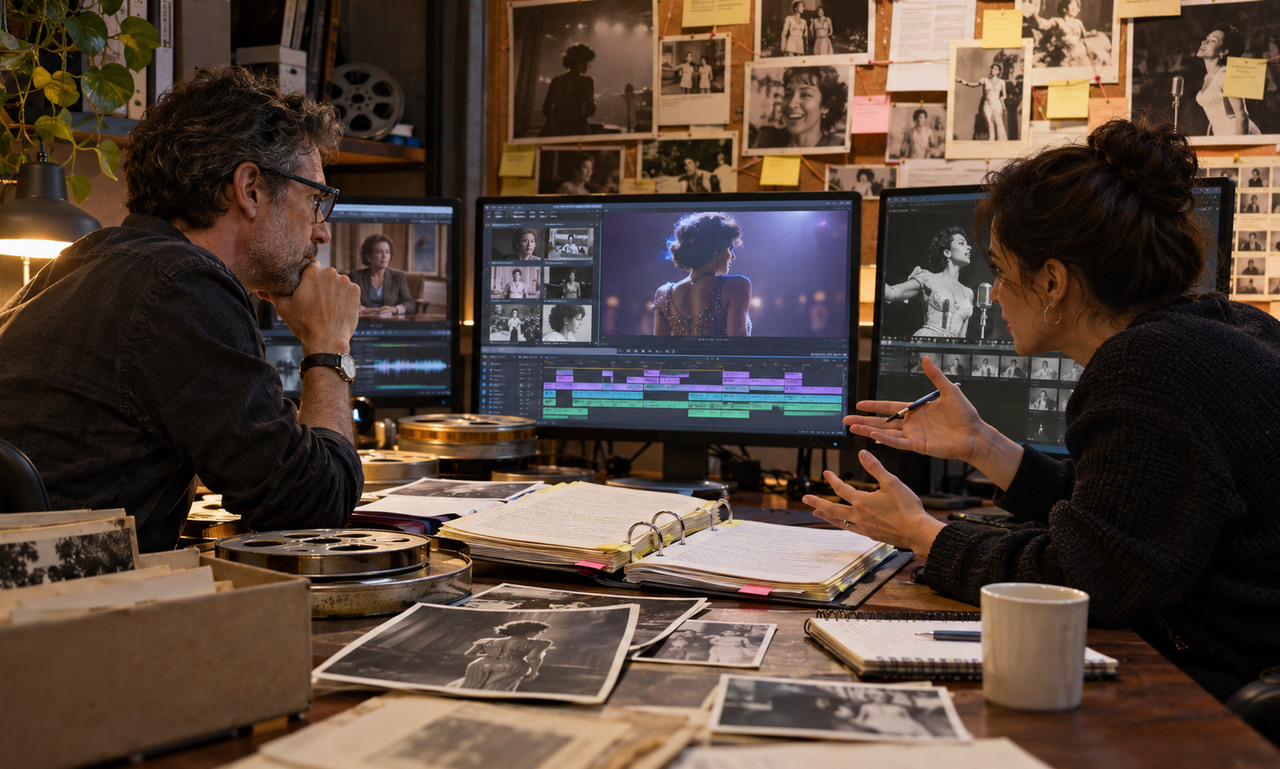
Celebrity documentaries promise proximity. Home videos, backstage footage and candid interviews can show a public figure outside the settings audiences usually see. Yet access alone does not guarantee insight.
A revealing portrait needs enough distance to examine the story rather than simply repeat it. The filmmakers must decide which claims require context, where the archive complicates memory and how the subject’s perspective relates to the larger record.
Access creates possibility and pressure
Trust can open doors to private material and emotionally direct conversation. It also creates responsibility. Filmmakers need to protect vulnerable moments without allowing the relationship to remove every difficult question.
Clear expectations help. Discussions about editorial control, boundaries and available material should happen early, so closeness does not become an unspoken promise of approval.
The archive provides another voice
News footage, photographs, performances and earlier interviews show how a public identity changed over time. They can confirm a recollection, expose a contradiction or reveal how the culture around the subject has shifted.
Other perspectives widen the frame. Collaborators, critics and people affected by key events may understand the same period differently. Including those voices turns biography into investigation rather than tribute.
Editing determines the final relationship
The structure can hold achievement and cost in the same story. A thoughtful edit resists reducing a life to either celebration or scandal, allowing patterns to emerge across choices, consequences and reinvention.
The audience ultimately senses whether a film has looked closely or merely stood nearby. Distance is not coldness. It is the space that lets access become understanding.


