Why Magazine Covers Still Define Cultural Moments
A single portrait can capture a public figure, an editorial point of view and the mood of an era.
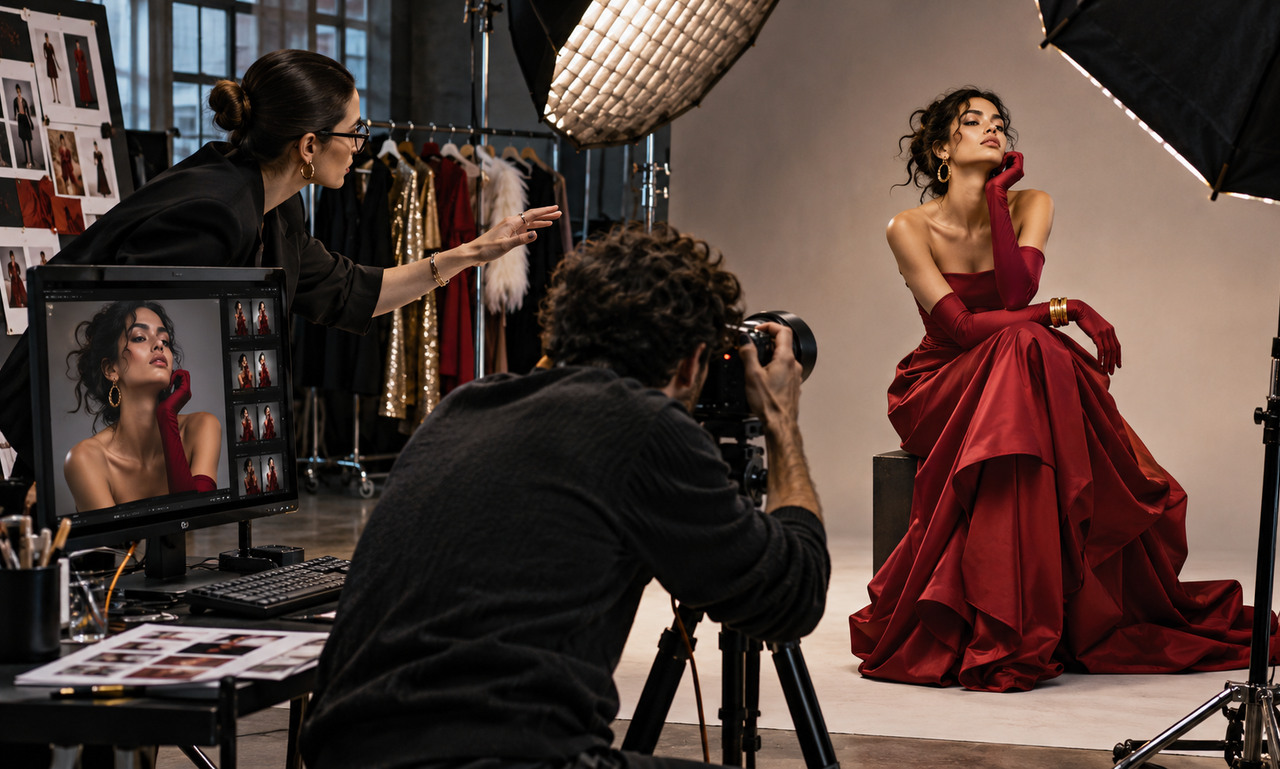
A magazine cover has only one frame to make an argument. It introduces a subject, signals the publication’s values and competes for attention in a crowded visual culture. When the timing is right, that frame can become the image attached to an entire moment.
The most memorable covers do more than present a famous face. They offer a point of view about why that person matters now.
Timing gives the portrait weight
A cover can mark a breakthrough, a return or a change in public identity. Publishing at the right point turns the image into evidence of a transition. Years later, viewers may remember it as the moment a new era became visible.
That sense of timing depends on editorial judgment. The subject may already be known, but the cover frames a new question about the work, image or culture around them.
Every element shapes the message
Wardrobe, posture, lighting and background affect how power and intimacy are read. Direct eye contact can feel confrontational or open. Distance can make the subject monumental. A quiet portrait may resist the spectacle usually attached to fame.
Typography and cropping add another layer, but the central image must remain clear at many sizes. A cover now travels from print to phones, archives and social feeds.
The image enters public memory
Readers bring their own context to a cover. They may see aspiration, recognition, controversy or change. That response can outlast the issue’s original news cycle.
Magazine covers remain cultural markers because they compress a complicated moment into one deliberate image. At their best, they do not merely show who is famous. They show how an era chooses to see them.


