Why Media Training Works Best When It Protects Personality
Preparation helps public figures answer clearly and hold boundaries without turning every conversation into the same rehearsed performance.
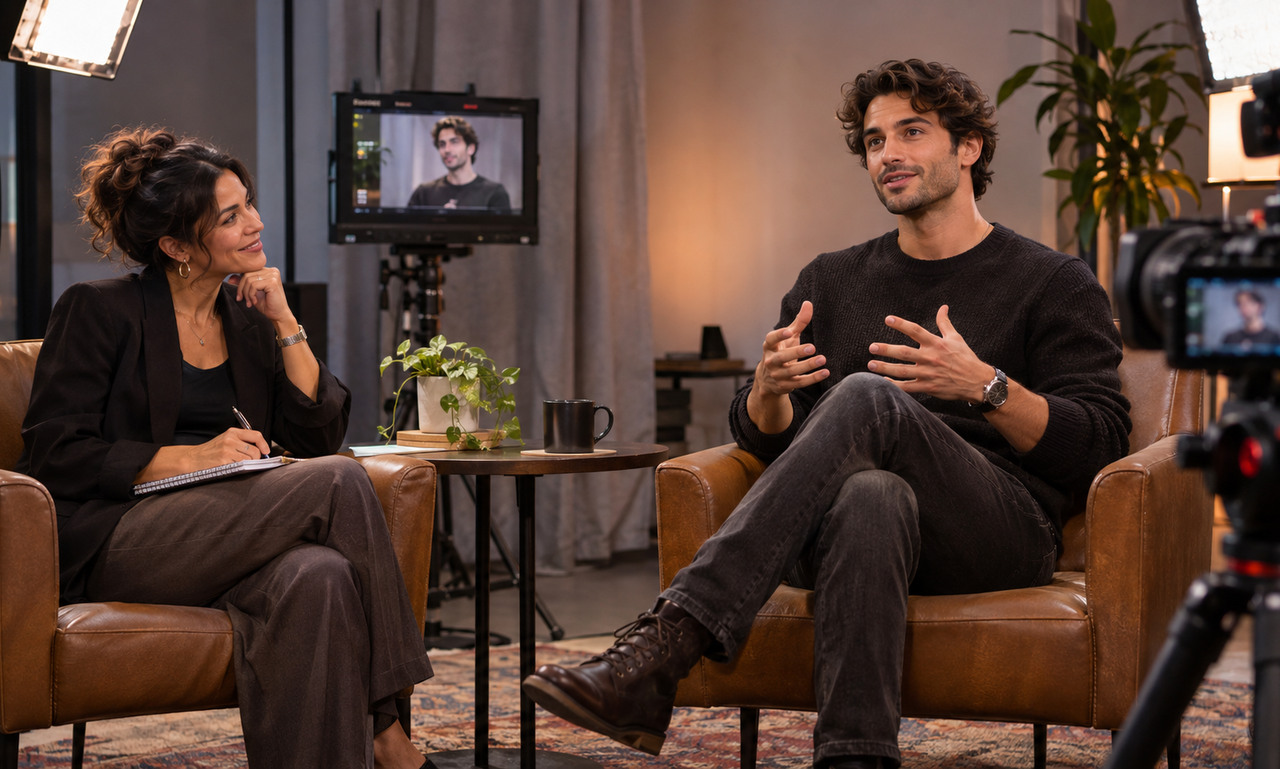
Media preparation is often mistaken for learning how to avoid questions. Its more valuable purpose is helping a person communicate under pressure without losing the qualities that make an interview worth hearing.
A coach creates a place to practise clarity, boundaries and listening before bright lights and limited time raise the stakes. The goal is confidence, not a catalogue of identical answers.
Preparation begins with purpose
The speaker identifies what the conversation is meant to support and which experiences they can discuss with authority. A few central ideas provide direction without forcing every question back to a slogan.
Difficult topics are considered in advance. Clear boundaries make it easier to decline, redirect or correct a false premise calmly rather than reacting from surprise.
Practice reveals habits
Recorded mock interviews show pacing, posture and verbal patterns that are hard to notice in the moment. A rushed answer may need one pause, while an overly broad response can be strengthened with a specific example.
The coach tests different formats, from short broadcast questions to longer conversations. Each requires a different level of detail, but the person’s underlying voice should remain recognizable.
Authenticity still requires attention
Being natural does not mean speaking without structure. Listening fully, answering the actual question and knowing when a point is complete allow personality to appear without being buried under nerves or repetition.
The best preparation becomes invisible. The audience encounters someone present and thoughtful, while the speaker retains enough control to protect both their message and themselves.


