From Sketch to Spotlight: How a Red-Carpet Look Comes Together
A major fashion moment is the result of fittings, fabric choices, careful tailoring and a clear understanding of the wearer.
A red-carpet look may appear complete the moment a celebrity steps in front of the cameras, but its real story begins much earlier. The final image is built through conversations, references, fabric tests, fittings and dozens of small adjustments that are nearly invisible when everything works.
The process starts with intention. A team considers the event, the setting and the person wearing the clothes. The goal may be classic elegance, playful risk, cultural tribute or a deliberate break from expectation. A strong look needs a point of view before it needs embellishment.
The sketch sets the direction
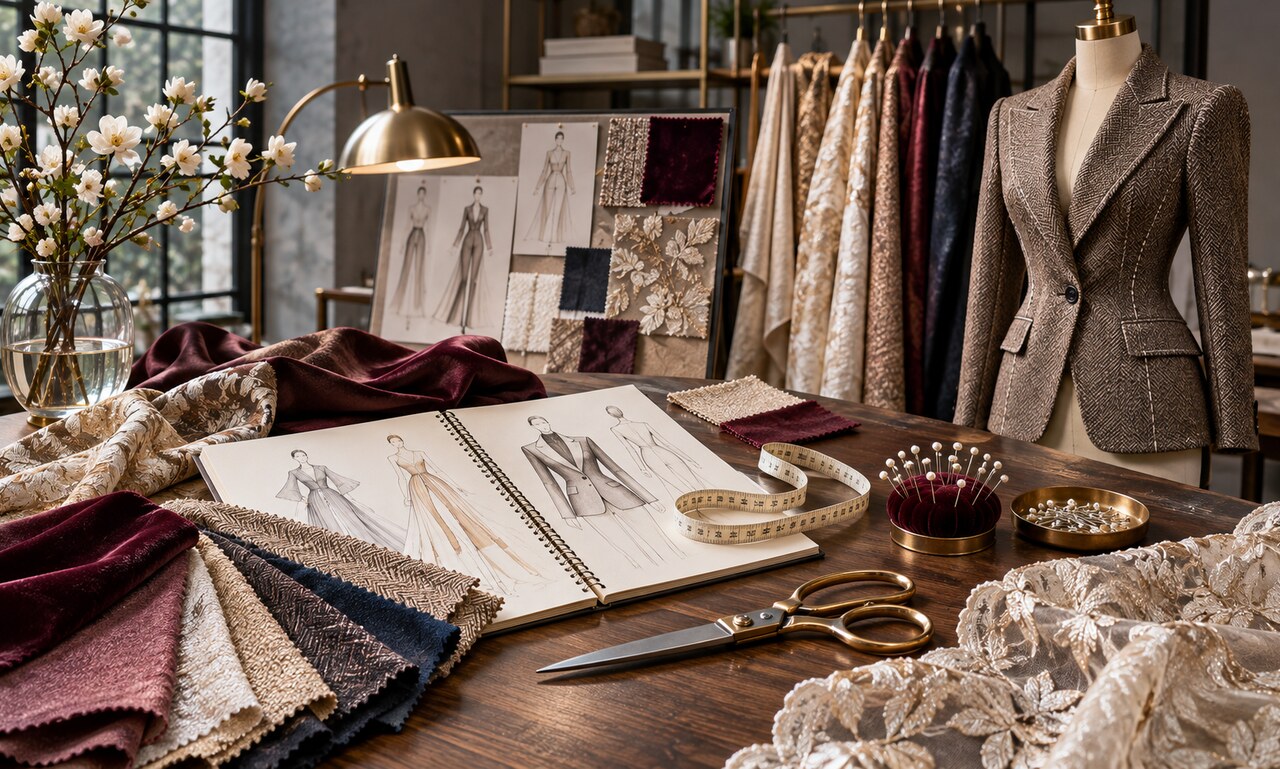
Early drawings translate the idea into silhouette and proportion. They show how a shoulder might be shaped, where a waistline will sit and how fabric may move. A sketch is not a rigid blueprint. It is a shared language that allows the designer, stylist and wearer to respond to the same concept.
Fabric can change that concept immediately. Silk moves differently from wool. Beading adds weight. A crisp textile can hold an architectural line, while a softer one creates fluidity. Choosing material is therefore part of choosing the personality of the look.
Fittings turn an idea into clothing
The fitting room is where the design meets a real body. Hemlines shift, seams are refined and volume is added or removed. Tailoring can change not only how a garment fits but also how the wearer stands and moves. Comfort matters because confidence is visible.
Accessories enter the conversation at this stage. Shoes affect posture and length. Jewellery can echo the shape of a neckline or provide contrast. Hair and makeup complete the overall balance. The strongest choices support one another without making the result feel overly calculated.
The final photograph is only one moment
On the carpet, the garment must work from multiple angles and under unforgiving light. It needs to move through entrances, interviews and stairs while remaining true to the original idea. A successful look therefore combines creativity with practical problem-solving.
The public sees a finished image. Behind it is a network of craftspeople making precise decisions under pressure. That hidden collaboration is what turns clothing into a memorable cultural moment.