Why the Cinema Experience Still Feels Different
A large screen matters, but the real power of moviegoing comes from attention, scale and sharing a story with strangers.
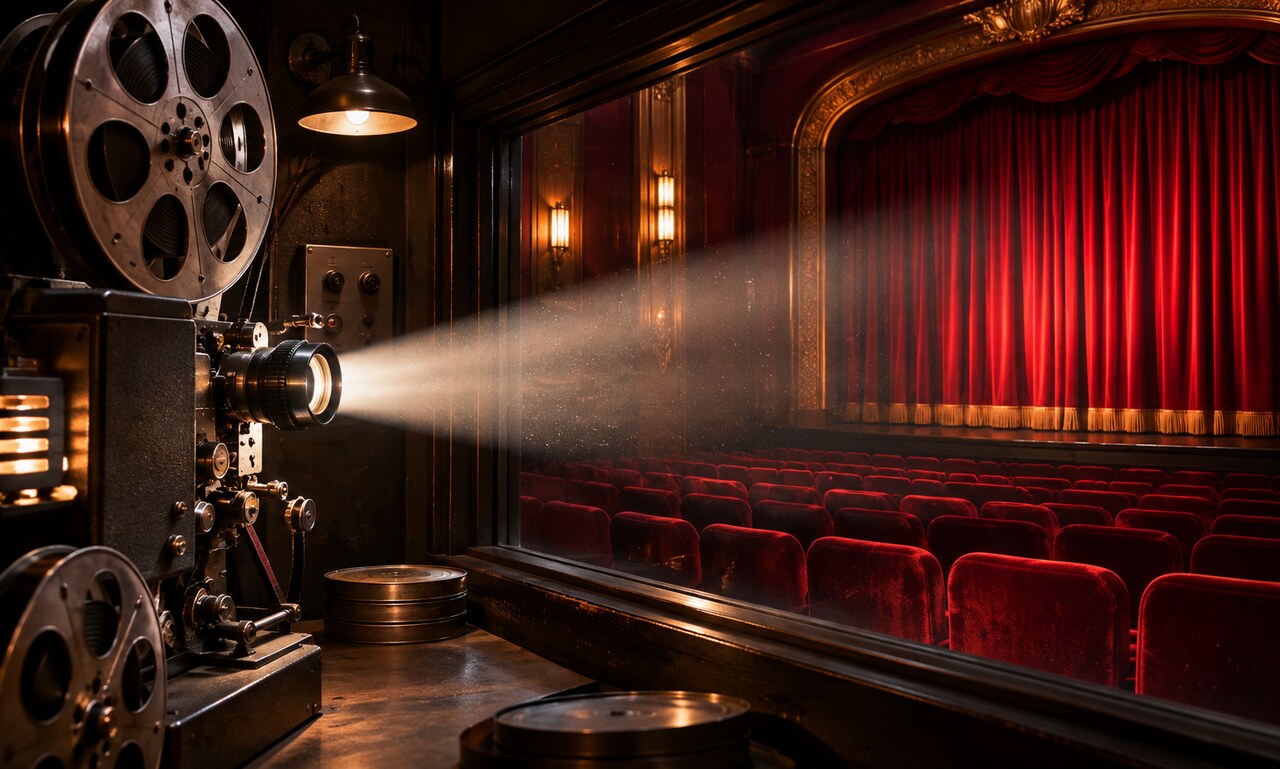
At home, a film can be paused, replayed and carried from one screen to another. In a cinema, the opposite is true. The room asks the audience to surrender control for a while. The lights fall, the doors close and the story moves forward whether anyone is ready or not.
That commitment changes the act of watching. A film no longer competes with notifications, household noise or the temptation to open another tab. The theatre creates a boundary around the experience, and attention becomes part of the ticket.
Scale changes the image
A large screen does more than make objects bigger. It changes what the eye notices. Background movement becomes easier to read. A close-up can feel monumental. Production design, colour and framing gain room to operate, allowing visual details to carry meaning without demanding explanation.
Sound adds another layer. In a well-designed theatre, dialogue, music and effects occupy the room rather than arriving from one direction. A quiet scene can feel unusually intimate, while a loud sequence gains physical weight. The audience does not simply hear the soundtrack; it sits inside it.
Strangers become an audience
The presence of other viewers can transform a film. Laughter spreads. Silence becomes noticeable. A surprise lands across an entire room at once. Even when nobody speaks, the reactions of strangers create a temporary community organized around the same story.
This is especially powerful for comedy, horror and spectacle, but it also matters in smaller dramas. A collective stillness can make a restrained performance feel more intense. The room teaches each viewer how closely everyone else is watching.
Moviegoing gives a film an occasion
Leaving home gives a screening a beginning and an end. There is the journey to the theatre, the anticipation before the lights dim and the conversation afterward. Those surrounding moments help a film attach itself to memory.
Home viewing offers comfort and access, and it remains essential to how audiences discover work. The cinema provides something different: a deliberate encounter with a story at full scale. Its value is not that it replaces the living room. It is that, for a few hours, it makes watching feel like an event.