Artist Archives Are Becoming Living Legacies
Costumes, notebooks, recordings and photographs can preserve the creative process—not only the finished performance.
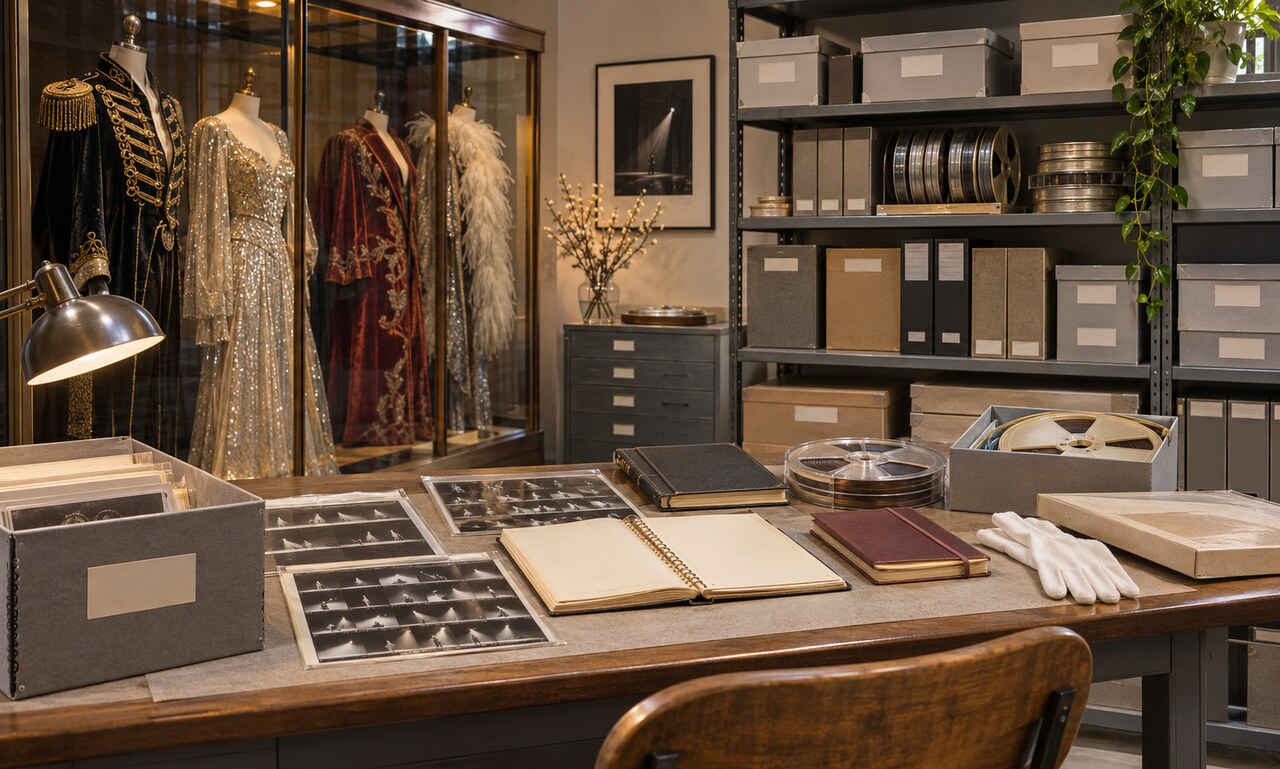
A finished album, film or performance is only the visible end of a much larger process. Behind it may be notebooks, demo recordings, costume fittings, contact sheets, correspondence and abandoned ideas. An artist archive gathers those materials and allows the creative journey to remain accessible.
The value of an archive is not limited to nostalgia. It can show how decisions were made, how collaborations developed and how public work emerged from private experimentation. The materials reveal process rather than replacing the finished art.
Ordinary objects gain cultural meaning
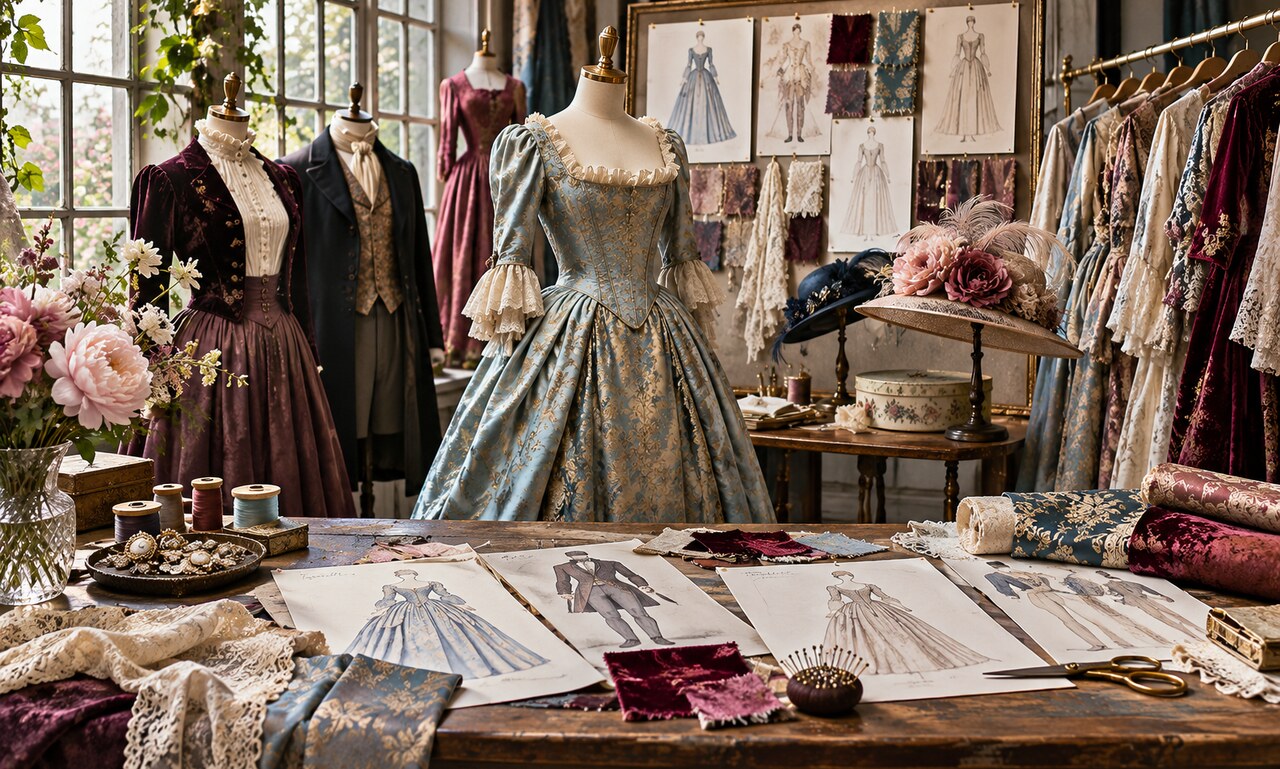
A stage costume may look familiar because it appeared in a famous performance, but its construction tells another story. Repairs, alterations and signs of wear reveal how it functioned in real life. A handwritten note can show the early form of an idea that later became widely known.
These objects become useful when they are preserved with context. Dates, credits and descriptions connect an item to the people and events around it. Without that information, even an important object can lose part of its meaning.
Access changes the purpose of preservation
An archive does not need to remain hidden. Exhibitions, books and digital collections can bring selected material to wider audiences while protecting fragile originals. Thoughtful access allows fans, students and researchers to encounter different layers of the work.
Digital preservation also creates new responsibilities. Files need clear organization and long-term care just as physical objects do. A hard drive full of unnamed material is not yet an archive; structure is what makes the collection usable.
Legacy can remain active
The strongest archives do more than look backward. They can inspire new scholarship, documentaries, performances and creative responses. They help future audiences understand not only what an artist produced but how the artist thought.
Preservation turns memory into evidence. By caring for the materials around a career, an archive keeps the creative process in conversation with the present.