Why Album Sequencing Still Matters in the Playlist Era
The order of songs can turn a collection of tracks into a complete emotional journey.
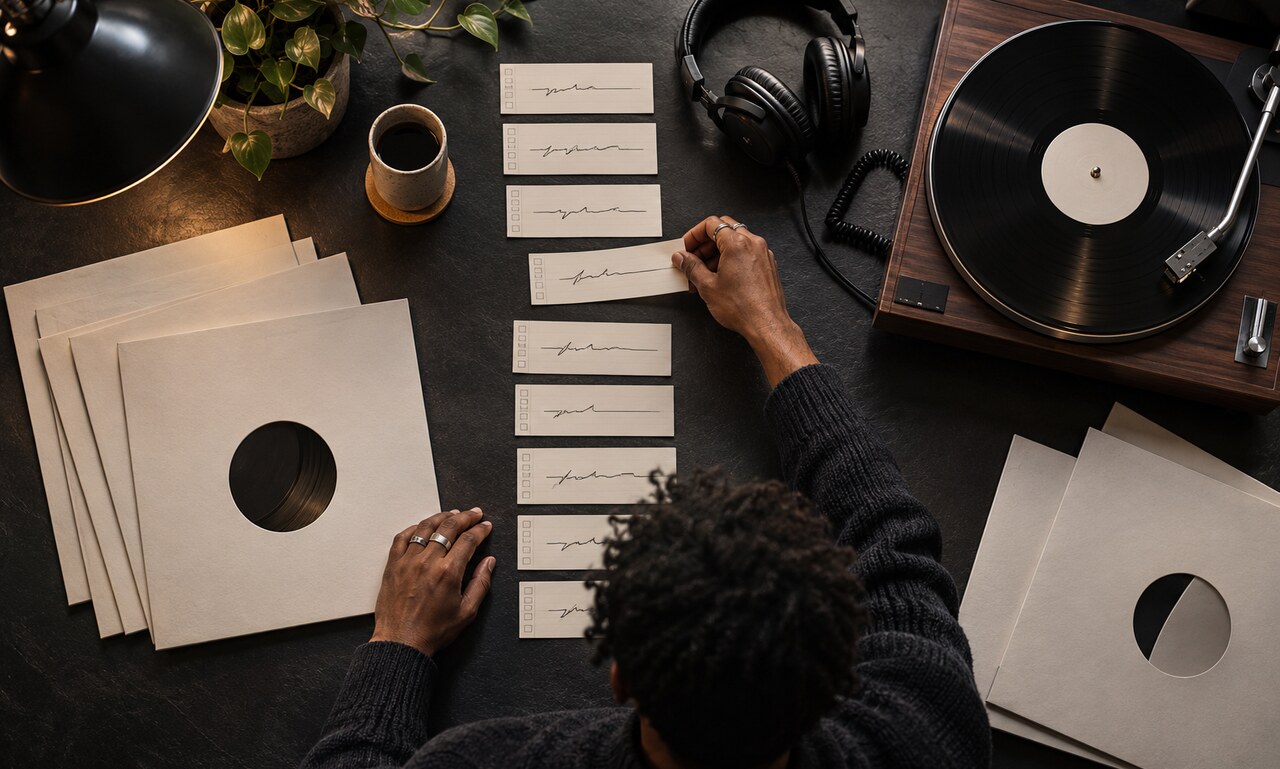
A playlist can place almost any two songs beside one another. An album asks a different question: what happens when a specific song follows this one? Sequencing turns that question into structure, giving a group of recordings a beginning, a middle and an ending.
The first track carries a special responsibility. It introduces the sound of the project and teaches the listener how to enter it. The closing track does something equally important. It decides what feeling remains after the music stops.
Transitions create momentum
A powerful sequence is not always smooth. Some albums depend on seamless transitions, while others use contrast. A quiet song after an intense one can create relief. A sudden change in tempo can restore attention. Even silence between tracks can become part of the arrangement.
These decisions affect how individual songs are understood. A reflective track may feel like an answer when it follows a song full of tension. A celebratory record can sound triumphant near the end of an album but carefree near the beginning. Context changes meaning.
Side one and side two still influence the form
The physical limits of vinyl once made the midpoint unavoidable. Artists and producers had to consider how each side opened and closed. That discipline remains useful even when an album is released digitally. A well-placed midpoint can create a pause, a shift in perspective or the start of a second act.
Sequencing also helps balance familiarity and discovery. Singles may draw listeners into a project, but deeper cuts give the album texture. Placing them carefully prevents the best-known songs from carrying the entire experience.
The album offers a route through abundance
Modern listening gives audiences more choice than ever. That freedom is valuable, but it can make attention feel fragmented. An album sequence provides a prepared route. The listener does not have to decide what comes next because the artist has already made that decision meaningful.
Playlists and albums do not need to compete. One encourages movement across artists and moods; the other invites a longer stay inside one creative world. Sequencing is what makes that world feel intentional.