How Costume Design Tells a Story Before the Dialogue Begins
Colour, fabric, fit and repetition can reveal a character’s history before a single line is spoken.
Before a character speaks, the audience has already begun to read them. A jacket may suggest authority, a worn cuff may reveal years of use and a carefully chosen colour may place someone in harmony or conflict with the world around them. Costume design makes these signals visible without announcing them.
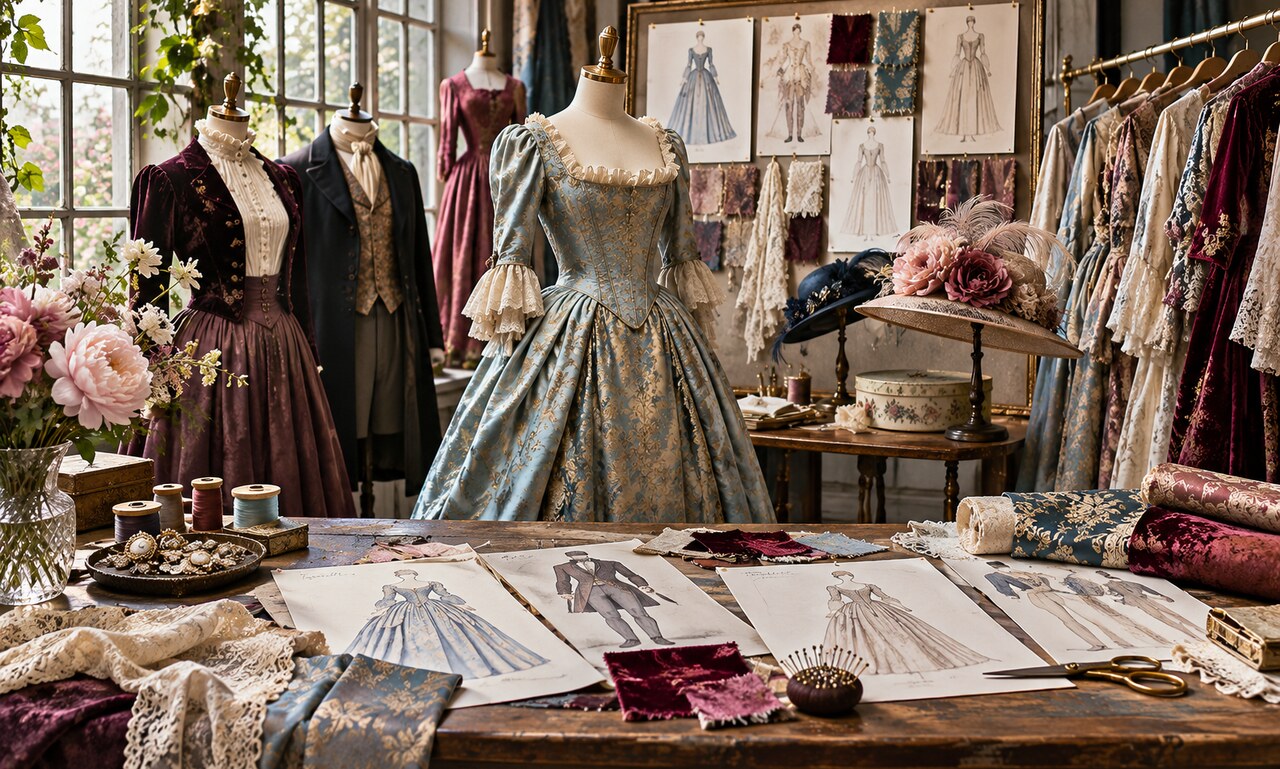
The work begins with research and character. Designers consider period, location, profession, income and personality. They also think about movement: how someone sits, runs, performs or occupies a room. Clothing must tell the story while allowing the actor to live inside it.
Silhouette creates the first impression
The outline of a costume can communicate status and temperament from a distance. Sharp shoulders may make a figure appear controlled. Loose layers can suggest comfort, concealment or freedom. A changing silhouette can chart a character’s transformation across a film or series.
Fit is part of that language. Clothing that seems slightly too large or too precise can reveal how a character relates to their body and environment. These choices are often subtle, but the camera gives them emotional weight.
Colour builds relationships
Colour can connect characters who belong together or separate someone from the group. A repeated tone may become a visual signature. A sudden change can mark a new stage in the story. Designers coordinate these choices with production design, lighting and cinematography so the costume works within the entire frame.
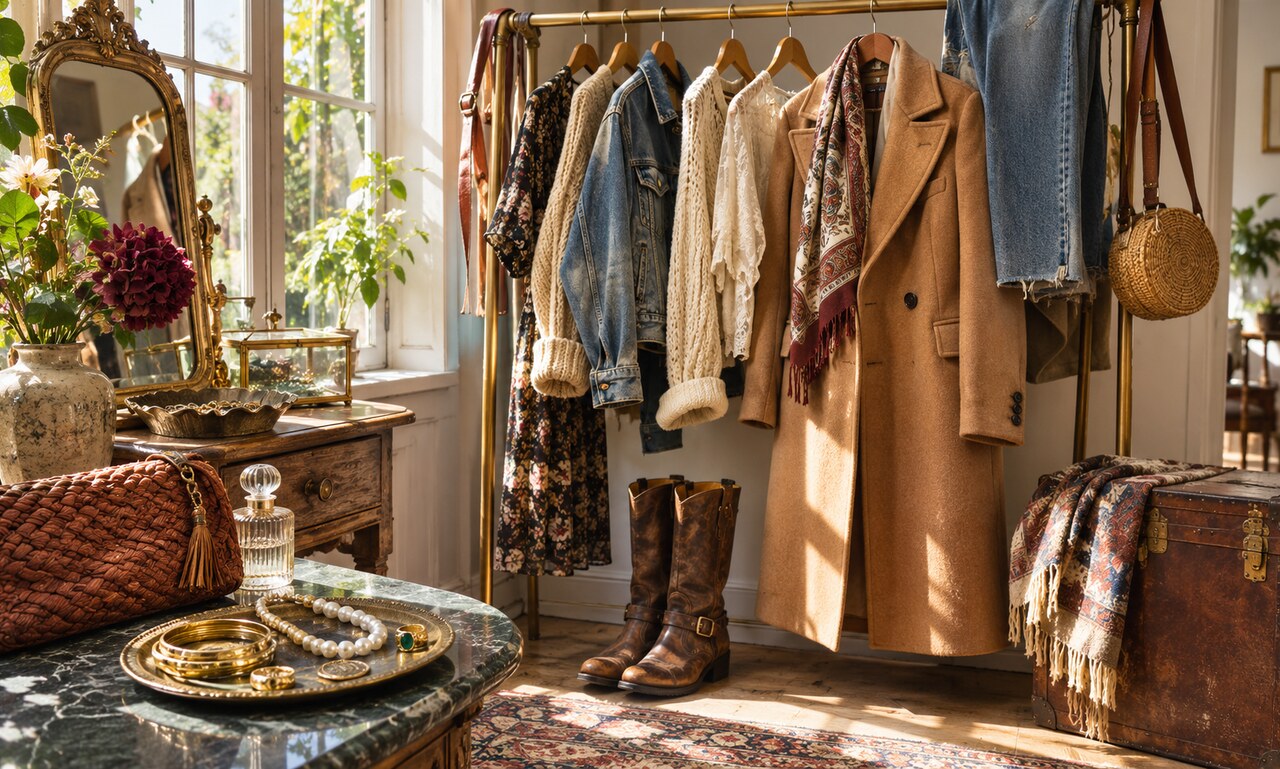
Texture matters just as much. Velvet absorbs light differently from satin. Weathered leather carries a history that new fabric does not. The material helps the audience imagine how a garment feels and how long it has belonged to the person wearing it.
Continuity turns clothing into memory
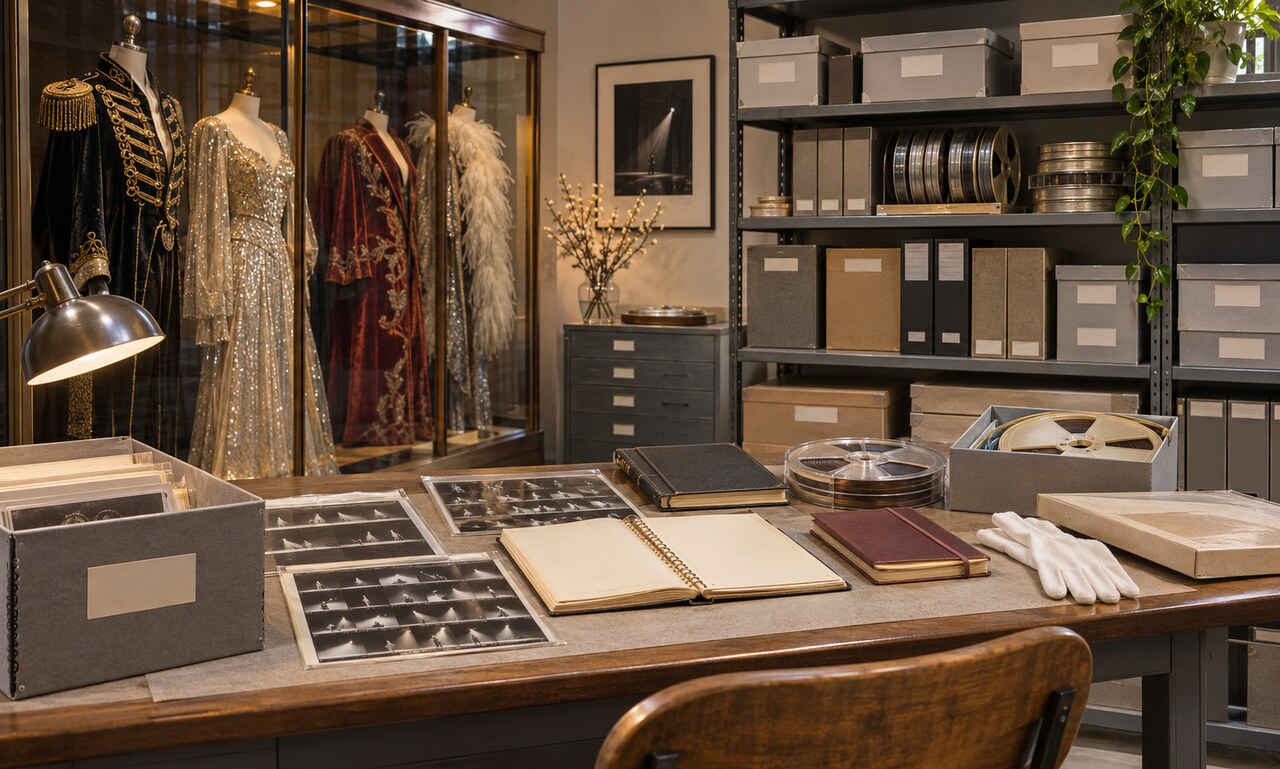
Repeated garments help viewers recognize routines and emotional associations. When a familiar piece disappears or returns, the change can carry meaning. Costume therefore operates across scenes, not only within them.
The best design rarely demands attention for its own sake. It supports performance, clarifies the world and leaves the audience with a stronger understanding of character. By the time the dialogue begins, the clothing has already started the story.